Barefoot Yoga: Benefits, Practices, and Tips for a Grounded Practice
What Is Barefoot Yoga?
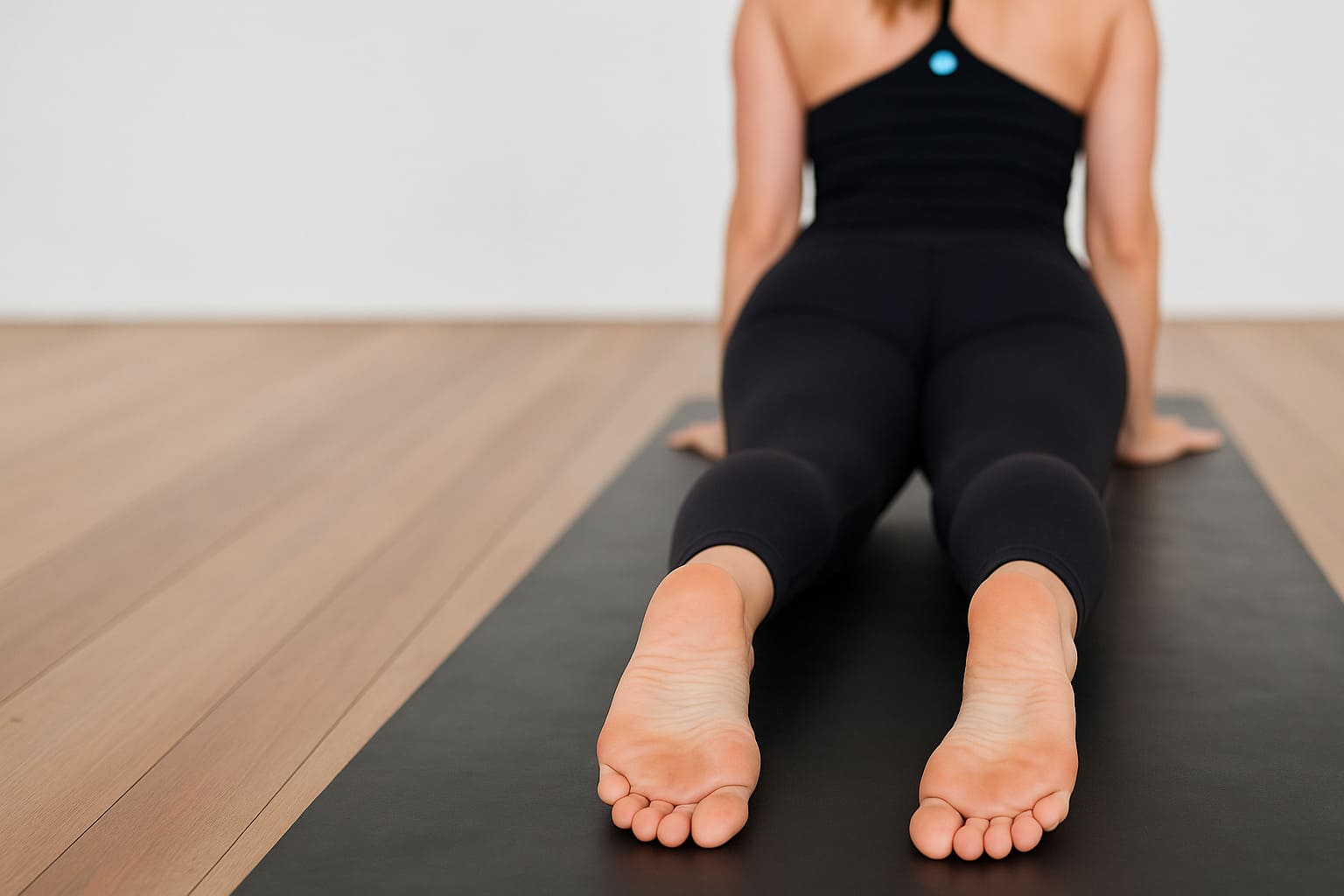
Barefoot yoga is exactly what it sounds like—practicing yoga without socks or shoes. While it might seem simple, this approach creates a deeper sense of grounding and enhances the connection between body and mind. Practicing barefoot allows your feet to spread naturally, improves balance, and helps you engage muscles that shoes often restrict.
For many yogis, barefoot practice also feels more authentic, aligning with the ancient tradition of yoga as a natural, body-centered discipline.
The Science-Backed Benefits of Practicing Yoga Without Shoes
Yoga barefoot isn’t just a stylistic choice—it brings real physical and mental benefits.
Improved Balance and Stability
When you remove your shoes, the sensory nerves in your feet become more active. This increased awareness (called proprioception) helps you balance better during poses like Tree Pose or Warrior III.
Stronger Feet and Ankles
Practicing barefoot strengthens the intrinsic muscles in your feet and ankles. Over time, this may reduce the risk of injuries, improve posture, and even make walking or running feel more natural.
Enhanced Mind-Body Connection
The sensation of your feet pressing directly into the mat or earth creates a stronger connection with your body and environment. Many practitioners describe it as grounding, helping them feel calmer and more centered.
How to Start Your Barefoot Yoga Journey
If you’re new to barefoot yoga, here are a few tips to get started safely and comfortably.
Choosing the Right Surface
A high-quality yoga mat with good grip is ideal for indoors. Outdoors, look for flat, clean areas like grass, sand, or a wooden deck. Avoid rough or sharp surfaces to protect your feet.
Hygiene and Safety Tips
-
Clean your mat regularly.
-
Wash your feet before and after practice.
-
If practicing outside, check the ground for stones, glass, or debris.
Indoor vs Outdoor Barefoot Practice
Indoor practice offers consistency and hygiene, while outdoor practice connects you directly with nature. Many yogis enjoy alternating between both to experience different sensations and challenges.
Best Barefoot Yoga Poses for Beginners
If you’re new to barefoot yoga, start with these simple yet powerful poses.
Mountain Pose (Tadasana)
Stand tall, feet hip-width apart. Spread your toes and feel the mat under your feet. This pose helps you connect deeply with the ground and improves posture.
Tree Pose (Vrksasana)
Shift your weight to one foot, place the sole of the other against your calf or thigh, and balance. Practicing barefoot makes it easier to stabilize and engage your leg muscles.
Downward Dog (Adho Mukha Svanasana)
With hands and feet on the mat, push your hips upward to create an inverted V shape. Press your heels down and notice how your bare feet anchor your body.
Common Mistakes to Avoid in Barefoot Yoga
-
Practicing on unsafe or slippery surfaces.
-
Ignoring foot hygiene.
-
Forcing your feet into extreme stretches too soon.
-
Overlooking supportive warm-ups for ankles and arches.
By staying mindful of these mistakes, your barefoot yoga journey will be safer and more rewarding.
🎥 Recommended Video: Barefoot Yoga Flow
Check out this helpful 20-minute flow on YouTube:
Barefoot Yoga Flow | Feel Grounded and Energized
It’s a perfect way to experience the calming yet energizing benefits of barefoot practice.
Final Thoughts on Practicing Barefoot
Barefoot yoga is more than a physical practice—it’s about reconnecting with your body, your breath, and the earth beneath you. By improving balance, strengthening your feet, and deepening your sense of grounding, this practice invites a more mindful, holistic approach to wellness.
Whether indoors on your mat or outdoors on the grass, barefoot yoga is a beautiful reminder that sometimes, less really is more.