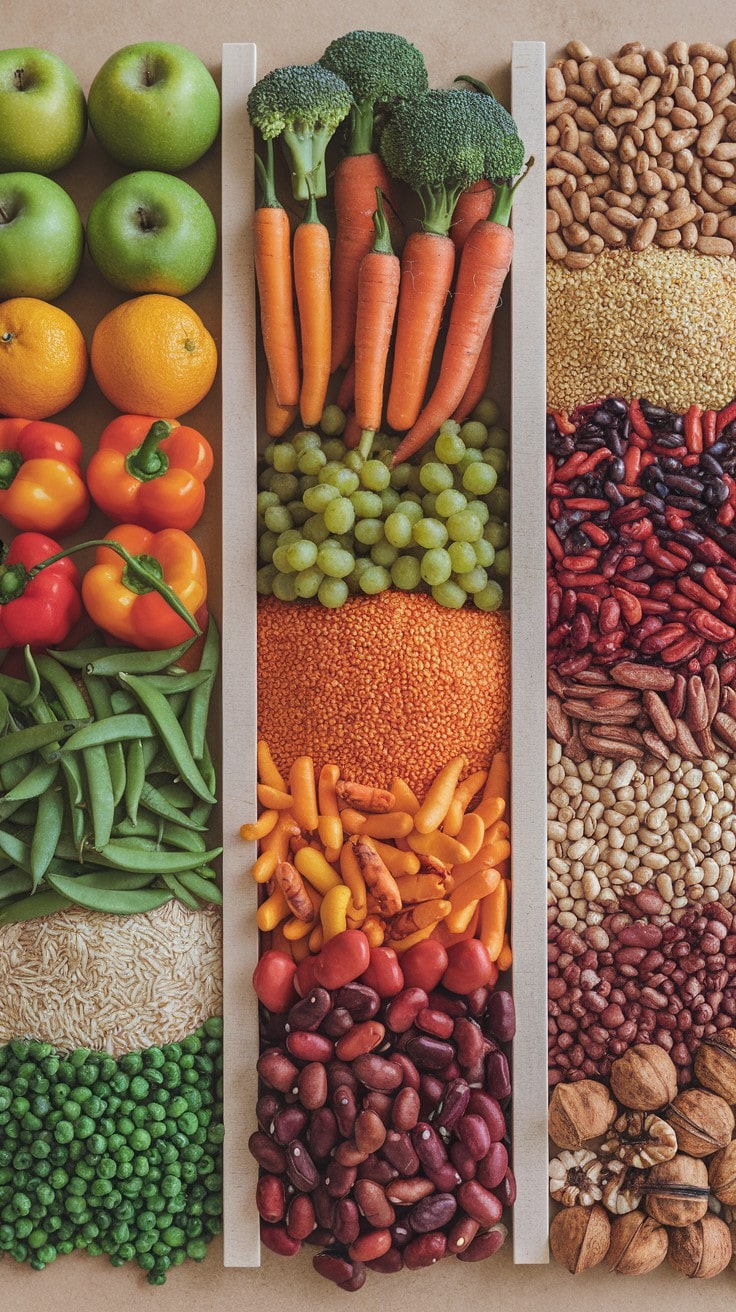
22 High-Fiber Foods You Should Add to Your Diet
A cup of kidney beans can provide around one-third, if not more, of the fiber you need per day. Other high-fiber foods include berries, cruciferous vegetables, oats, chia seeds, and dark chocolate.
Benefits of Fiber
- Promoting weight loss
- Lowering blood sugar
- Fighting constipation
- Boosting heart health
- Feeding friendly gut bacteria
The recommended daily intake of fiber is about 14 grams for every 1,000 calories consumed daily.
Recommended Fiber Intake by Age
| Age | Male | Female |
|---|---|---|
| 1–3 years | 14 g | 14 g |
| 4–8 years | 19.6 g | 16.8 g |
| 9–13 years | 25.2 g | 22.4 g |
| 14–18 years | 30.8 g | 25.2 g |
| 19–50 years | 38 g | 25 g |
| 51 years and over | 30 g | 21 g |
Types of Fiber
Dietary fiber is found naturally in plants, while added fiber is included in products for added health benefits. Fiber can be further classified as soluble (digestible) or insoluble (non-digestible).
Benefits of Fiber
- Reducing cholesterol: Fiber can reduce cholesterol absorption, especially when combined with statins and fiber supplements like psyllium.
- Promoting a healthy weight: High-fiber foods like fruits and vegetables are typically lower in calories and keep you fuller for longer.
- Preventing constipation: Insoluble fiber adds bulk, stimulating the intestines and speeding up digestion.
- Managing blood sugar: High-fiber foods slow digestion, helping maintain consistent blood sugar levels.
- Reducing cancer risk: Some fibers, like the pectin in apples, have antioxidant properties that may help prevent certain cancers.
Gradually adding high-fiber foods and drinking plenty of water can prevent bloating and gas.
22 High-Fiber Foods to Include in Your Diet
- Pears: 5.5 grams per medium-sized pear.
- Strawberries: 3 grams per cup of fresh strawberries.
- Avocado: 10 grams per cup of raw avocado.
- Oats: 16.5 grams per cup of raw oats.
- Apples: 4.4 grams per medium-sized apple.
- Raspberries: 8 grams per cup.
- Bananas: 3.1 grams per medium-sized banana.
- Carrots: 3.6 grams per cup of raw carrots.
- Beets: 3.8 grams per cup of raw beets.
- Broccoli: 2.4 grams per cup.
- Artichoke: 6.9 grams per raw globe or French artichoke.
- Brussels Sprouts: 3.3 grams per cup of raw Brussels sprouts.
- Lentils: 13.1 grams per cup of cooked lentils.
- Kidney Beans: 12.2 grams per cup of cooked beans.
- Split Peas: 16.3 grams per cup of cooked split peas.
- Chickpeas: 12.5 grams per cup of cooked chickpeas.
- Quinoa: 5.2 grams per cup of cooked quinoa.
- Popcorn: 1.15 grams per cup of air-popped popcorn.
- Almonds: 4 grams per 3 tablespoons.
- Chia Seeds: 9.75 grams per ounce.
- Sweet Potatoes: 3.8 grams per medium-sized boiled sweet potato.
- Dark Chocolate: 3.1 grams in a 1-ounce piece of 70%–85% cacao.
Frequently Asked Questions
- What food is highest in fiber? Lentils, pears, celery, leafy greens, and oatmeal are all high in fiber.
- What are the 10 best foods for fiber? Some top choices include chickpeas, lentils, split peas, oats, apples, pears, almonds, chia seeds, Brussels sprouts, and avocado.
- How can I increase my fiber? Adding oatmeal, pulses, and fresh fruits and vegetables is a good way to increase fiber intake. Opt for wholemeal bread and keep the skins on fruits and potatoes.
- How can I get 30g of fiber a day? One example includes adding blueberries, oatmeal, brown rice, split peas, broccoli, avocado, whole wheat toast, and pears throughout the day.
The Bottom Line
Fiber is essential for promoting weight loss, lowering blood sugar levels, and aiding digestion. The daily recommended intake is 25 grams for women and 38 grams for men, but many people consume less. Incorporating high-fiber foods into your meals can help reach these goals and improve overall health.