This article is for general information and isn’t medical advice. Talk to your doctor before making big changes to your diet, exercise or sleep, especially if you have a health condition.
If you’re eating well and moving more but the scale won’t budge, look at your nights. Sleep isn’t a fat-burning trick, but it shapes your appetite, your energy and what your body loses when you diet. Short or broken sleep makes almost every part of weight loss harder.
Here’s what the research actually shows, and 9 sleep habits you can start tonight.
How Sleep Affects Your Weight
It changes your hunger hormones. In a classic study, young men who slept only 4 hours for two nights had lower levels of leptin (the “I’m full” hormone), higher ghrelin (the “I’m hungry” hormone) and reported more hunger, especially for carb-heavy foods (Spiegel et al., 2004).
It changes what you lose when you diet. When dieters slept 5.5 hours instead of 8.5 hours, they lost about the same weight, but a much smaller share of it was fat and more of it was lean muscle (Nedeltcheva et al., 2010).
It drains the energy you need to stay active. After a bad night, workouts feel harder and the couch wins more often.
Prefer to watch? Sleep specialist Dr. Anne Marie Morse explains the connection in this short video:
The good news: you don’t need a perfect routine. Small, consistent changes add up.
1. Aim for 7 to 9 Hours Every Night
Health organizations recommend at least 7 hours of sleep for adults. Count backwards from your wake-up time and set a “lights out” time, not just a “go to bed” time. If 7 hours feels impossible, start by moving your bedtime 15 minutes earlier each week.
2. Keep the Same Schedule, Even on Weekends
Your body clock controls when you feel sleepy and hungry. Going to bed and waking up at roughly the same time every day, within about an hour, keeps that clock steady. Big weekend shifts work like mini jet lag and can leave you groggy and snacky on Monday.
3. Get Daylight in the Morning
Ten to twenty minutes of outdoor light soon after waking tells your brain it’s daytime and helps you feel sleepy at the right time at night. Take your coffee outside, walk to work, or open the curtains and sit by the window.
4. Set a Caffeine Cut-Off
Caffeine stays in your system for hours. In one study, a dose taken 6 hours before bed still cut total sleep by about an hour (Drake et al., 2013). Try to finish your last coffee, energy drink or black tea by early afternoon.
5. Finish Big Meals 2 to 3 Hours Before Bed
A heavy, late dinner can cause heartburn and restless sleep. Eat your main meal earlier in the evening. If you’re truly hungry later, keep it light: a small yogurt, a banana or a handful of nuts.
6. Skip the Nightcap
A glass of wine may help you fall asleep, but alcohol breaks up sleep in the second half of the night and reduces deep, restful sleep. It also adds calories and makes late-night snacking more likely. Keep drinks earlier in the evening, or skip them on weeknights.
7. Make Your Bedroom Cool, Dark and Quiet
Most people sleep best in a cool room, around 60-67°F (16-19°C). Use blackout curtains or a sleep mask, and earplugs or a white-noise machine if your street is loud. Keep the bed for sleep, not for work or scrolling.
8. Build a 30-Minute Wind-Down Routine
Put your phone away, dim the lights and do the same calming things in the same order each night: a warm shower, skincare, a few pages of a book, or gentle stretching. A caffeine-free herbal tea such as chamomile can be part of the ritual. It won’t burn fat, but it’s a cozy signal that the day is over.
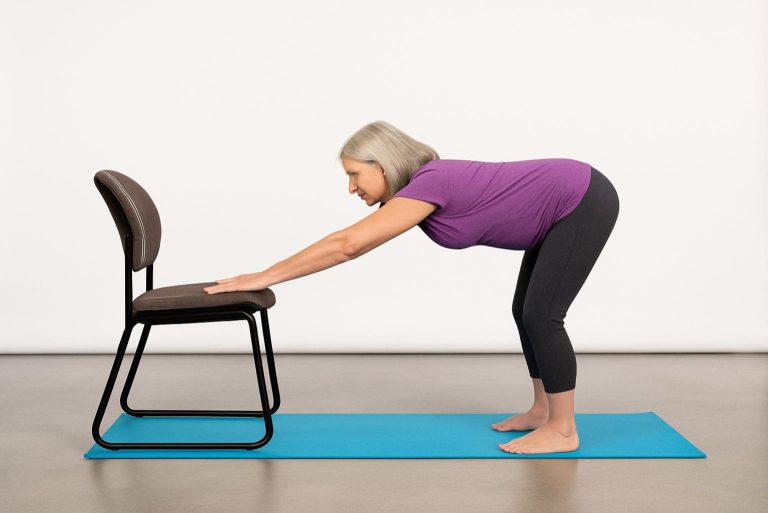
Want something to follow? Try a slow chair yoga sequence or a few minutes of calming breathwork.
9. Move Your Body During the Day
Regular physical activity helps you fall asleep faster and sleep more deeply. A brisk walk, strength training or a grounding yoga practice all count. If hard workouts keep you wired, schedule them earlier in the day.
Common Sleep Mistakes That Make Weight Loss Harder
- “Catching up” on weekends instead of sleeping enough during the week.
- Scrolling in bed, which keeps your brain alert and pushes bedtime later.
- Using late-night snacks to stay awake when your body is asking for sleep.
- Ignoring loud snoring or constant tiredness. These can be signs of sleep apnea or another sleep disorder. Talk to a doctor.
The Bottom Line
Better sleep won’t melt fat overnight, and no drink or pill can do that either. What it does is make everything else easier: you feel less hungry, make better food choices, have more energy to move, and keep more muscle while you lose weight. Pick one habit from this list, practice it for a week, then add another.